Author: Fact Check Project Writer
-
TikTok: Understanding the Confusion Between Ownership, Data Security Investigations, and Platform Bans
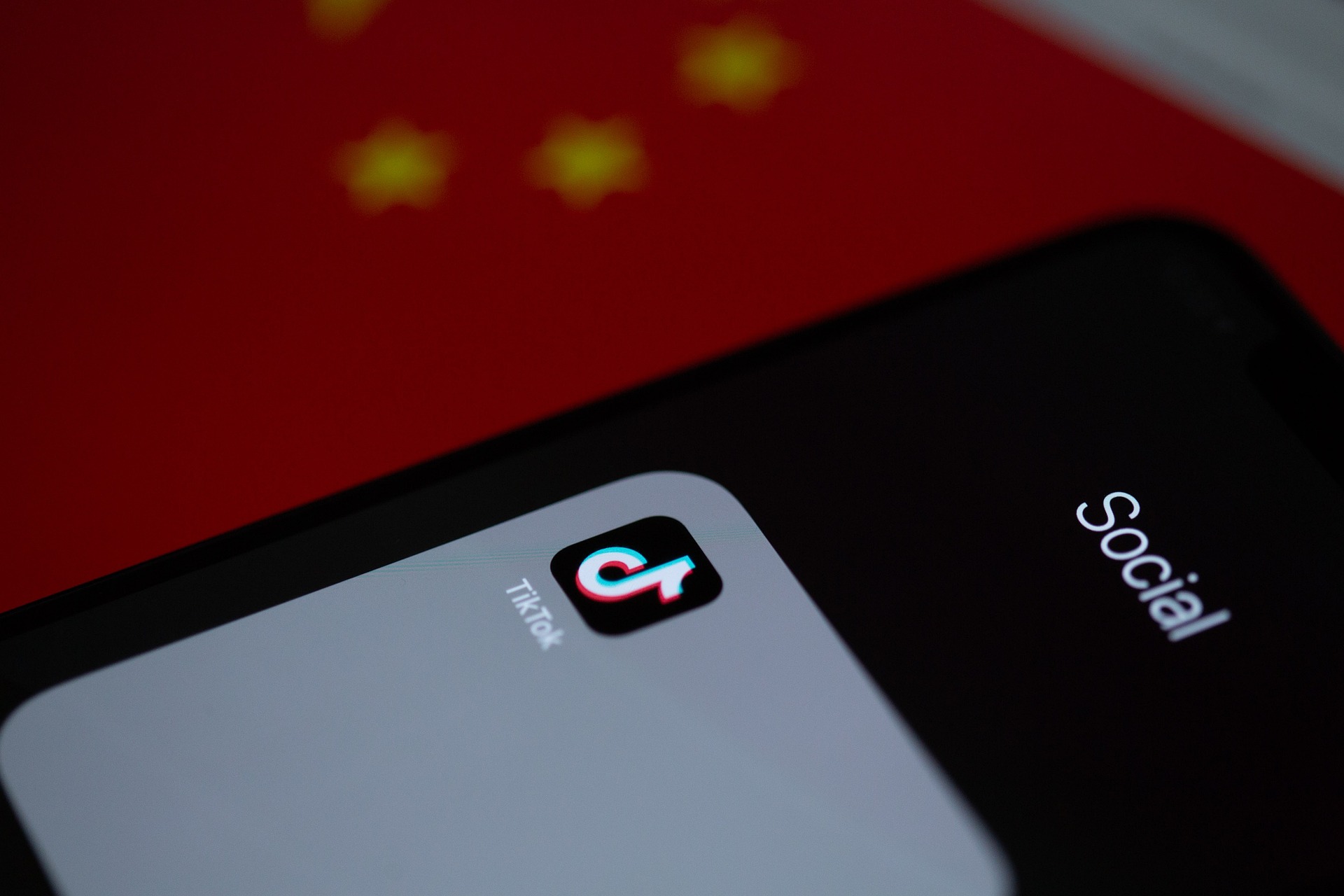
Few technology companies have generated as much public confusion as TikTok. Over the past several years, headlines have alternated between warnings of government bans, concerns about Chinese ownership, data privacy investigations, and regulatory actions. As a result, many people have mistakenly concluded that TikTok has been permanently banned in multiple countries, that it is directly…
-

Corporate Identity and Name Confusion: The Signal Foundation vs. Signal Advance Stock Mix-Up
Corporate identity confusion has long been a challenge for investors, consumers, and businesses alike. When organizations share similar names, brands, or terminology, misunderstandings can quickly spread and lead to significant financial consequences. One of the most striking examples of this phenomenon occurred in early 2021 when thousands of investors mistakenly purchased shares of Signal Advance,…
-

Beneficial Ownership Confusion and Why Corporate Structures Are Often Misunderstood
Corporate ownership structures are frequently misunderstood in public discussion. A company may be accused of being controlled by a sanctioned individual, politically exposed person, competitor, foreign government, or unrelated organization because observers rely on partial records or simplified ownership claims. Beneficial ownership analysis is intended to solve this problem by identifying who ultimately owns, controls,…
-

What ESG Actually Means and Common Misconceptions About ESG Reporting
Environmental, Social, and Governance reporting, commonly known as ESG, is one of the most discussed and misunderstood topics in modern business. Public debate often treats ESG as a single political concept, but the underlying framework is more practical. ESG refers to categories of information that help stakeholders evaluate how an organization manages environmental risks, workforce…
-

Boeing and the Connection Between Governance Failures and Reputation Crises
Boeing is often used as a case study in how governance weaknesses can become reputation crises. The 737 MAX crisis began as an aviation safety and certification issue, but public scrutiny quickly expanded into broader questions about board oversight, management incentives, risk escalation, engineering culture, and regulatory accountability. The U.S. House Committee on Transportation and…
-

Huawei, Sanctions, Export Controls, and Entity Lists: Understanding the Differences
Huawei is often discussed in public debate through broad terms such as sanctions, bans, export controls, national security restrictions, and blacklists. These words are sometimes used as if they mean the same thing. They do not. The distinction matters because companies, journalists, investors, and readers can reach the wrong conclusion when they treat every restriction…
-

Zoom Video Communications vs. Zoom Technologies: How Investor Confusion Created a Market Distortion
When the COVID-19 pandemic pushed business meetings, schools, medical consultations, and family conversations online, Zoom Video Communications became one of the most visible technology companies in the world. That visibility created a market problem that had little to do with Zoom Video Communications itself. Investors repeatedly confused the company with Zoom Technologies, an unrelated business…