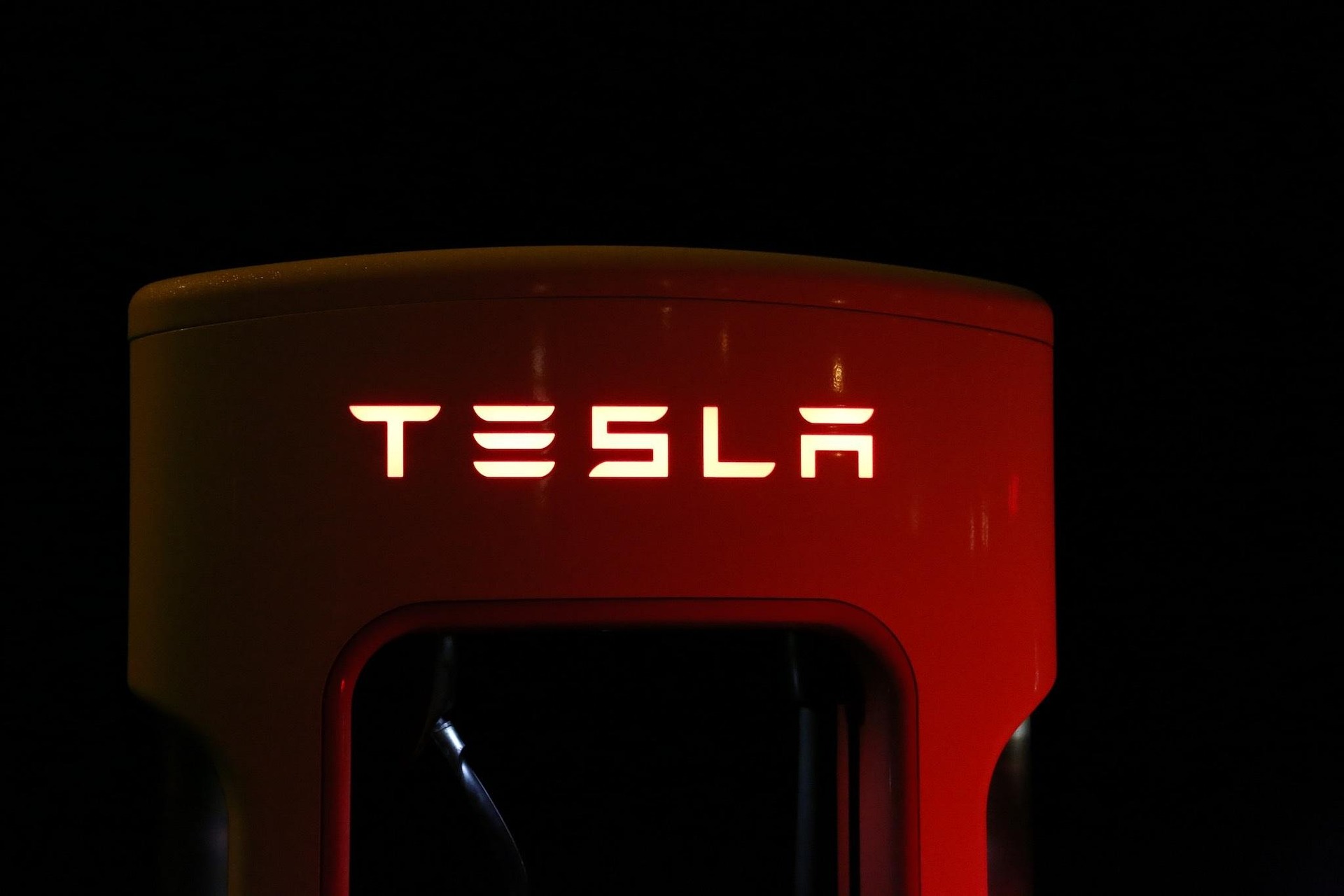
The name “Tesla” is one of the most recognizable brands in the world. For many people, the word immediately brings to mind electric vehicles, battery technology, renewable energy, and the high profile public image of Tesla, Inc. Because the brand has become so well known, however, it has also become a source of frequent confusion. Across the internet, consumers sometimes encounter unrelated businesses, products, websites, or social media accounts that use the word “Tesla” in their names. While some uses are entirely legitimate, others create confusion about whether a business has any connection to Tesla, Inc. This illustrates an important issue in trademark law and corporate identity: sharing part of a name does not automatically mean two organizations are affiliated.
Trademark confusion occurs when consumers mistakenly believe that one company, product, or service is connected to another. In many cases, the confusion is unintentional. Small businesses may use a surname, a historical figure, or a descriptive word without intending to reference a globally recognized company. In other situations, businesses deliberately choose names that resemble established brands because they hope to benefit from consumer recognition. Courts evaluate these situations based on numerous factors, including the similarity of the names, the industries involved, consumer perception, and whether the use is likely to create marketplace confusion rather than simply whether two organizations share a common word.
The name “Tesla” itself has historical significance that predates the automobile manufacturer by more than a century. It honors the inventor and electrical engineer Nikola Tesla, whose pioneering work in electricity and alternating current helped shape modern electrical systems. Because of this historical association, many organizations, educational institutions, engineering firms, research projects, and products around the world have used the name “Tesla” long before or independently of Tesla, Inc. The existence of these names alone does not establish infringement or affiliation. Context matters.
Confusion often becomes more noticeable online because search engines, social media platforms, and domain names compress information into short listings. A user searching for “Tesla batteries,” “Tesla chargers,” or “Tesla repair” may encounter independent businesses that specialize in servicing Tesla vehicles without being owned or operated by Tesla, Inc. Similarly, online marketplaces sometimes contain accessories marketed as being “for Tesla” alongside products from entirely unrelated manufacturers. While compatibility descriptions are generally permissible when accurately presented, consumers may incorrectly assume that every product bearing the word “Tesla” is officially produced or endorsed by the automaker.
Social media further amplifies mistaken attribution. Viral posts sometimes identify a company simply by displaying the word “Tesla” without clarifying whether the content concerns Tesla, Inc., an independent retailer, a third party service provider, or another organization altogether. As posts are reshared without additional context, assumptions spread quickly. In some cases, customer complaints directed at unrelated businesses are mistakenly attributed to Tesla, Inc., while news about one organization becomes inaccurately associated with another simply because of a shared name.
This pattern reflects a broader challenge involving corporate identity confusion rather than a problem unique to Tesla. Similar misunderstandings have affected companies across numerous industries. For example, investors once mistakenly purchased shares of Signal Advance after public attention focused on the encrypted messaging application Signal, despite the two organizations having no business relationship. Readers interested in that example can explore our related article, Corporate Identity and Name Confusion: The Signal Foundation vs Signal Advance Stock Mix-Up, which demonstrates how quickly public assumptions can influence financial markets.
Likewise, confusion surrounding technology companies often extends beyond corporate names. Regulatory investigations, ownership structures, national security discussions, and platform restrictions are frequently blended together in public conversations despite representing separate legal and policy issues. Our article, TikTok: Understanding the Confusion Between Ownership, Data Security, Investigations, and Platform Bans, examines how distinct concepts can become merged into a single narrative when context is lost.
Businesses can reduce mistaken attribution through clear branding, distinctive logos, transparent disclosures, and accurate descriptions of their products or services. Consumers also play an important role by verifying company websites, reviewing official contact information, and checking whether a business explicitly states that it is independent of a larger brand. Many legitimate service providers and accessory manufacturers clearly disclose that they are independent companies serving Tesla owners rather than official divisions of Tesla, Inc.
Trademark law exists partly to reduce this type of marketplace confusion while allowing fair competition and legitimate descriptive use. Not every shared name creates legal liability, and not every online misunderstanding constitutes trademark infringement. The key question is whether consumers are likely to believe there is an affiliation, sponsorship, or endorsement that does not actually exist. Organizations routinely monitor their trademarks and may take action when they believe consumer confusion is likely, but each situation depends on its specific facts and applicable law.
As globally recognized brands continue to grow, instances of mistaken attribution are likely to become more common. Search engines, artificial intelligence, social media, and rapidly shared online content make it easier than ever for names to spread beyond their original context. Taking a moment to verify whether two similarly named organizations are actually connected helps reduce misinformation, improves consumer understanding, and supports more informed decision making. In the case of businesses using the name “Tesla,” the presence of a familiar word should never be treated as proof of an official relationship without supporting evidence.
For additional information about trademark protection and consumer confusion, see the United States Patent and Trademark Office trademark resources, the World Intellectual Property Organization’s trademark guidance, and the official Tesla website.