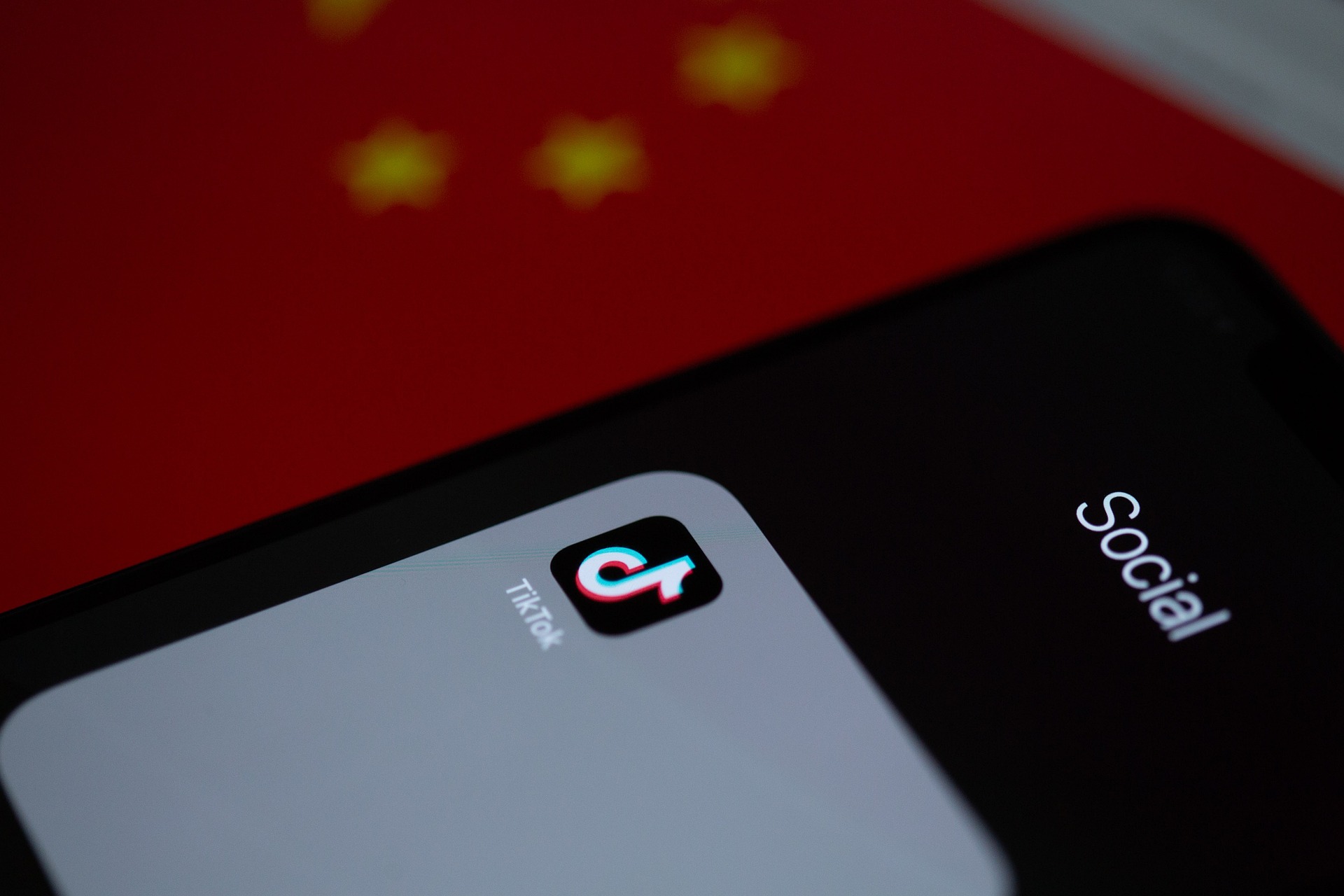
Few technology companies have generated as much public confusion as TikTok. Over the past several years, headlines have alternated between warnings of government bans, concerns about Chinese ownership, data privacy investigations, and regulatory actions. As a result, many people have mistakenly concluded that TikTok has been permanently banned in multiple countries, that it is directly owned by the Chinese government, or that regulatory investigations automatically prove wrongdoing.
In reality, these are separate issues that are often blended together in news coverage and social media discussions.
Ownership Does Not Equal Government Control
One of the most common misconceptions involves TikTok’s ownership structure. TikTok was originally owned by ByteDance, a Chinese technology company founded in 2012. Because ByteDance is based in China, many reports and online discussions have incorrectly described TikTok as being owned by the Chinese government.
While governments can regulate companies within their jurisdictions, ownership and government control are not the same thing. The distinction is important because much of the debate surrounding TikTok has focused on whether Chinese laws could potentially require companies to share information with authorities if requested. These concerns fueled years of scrutiny from regulators and lawmakers in several countries.
In the United States, regulatory pressure eventually led to a restructuring of TikTok’s American operations. New ownership arrangements were designed to reduce concerns about foreign influence and data access, though debates over whether these measures fully address security concerns continue among policymakers and security experts.
Data Security Concerns Are Not the Same as Bans
Another major source of confusion stems from data privacy concerns. Many people assume that if a government investigates a company for privacy issues, the company has already been proven guilty of misconduct.
Investigations do not automatically indicate wrongdoing. Regulators often open investigations to determine whether laws or regulations may have been violated. In TikTok’s case, authorities in the United States, European Union, Canada, and other jurisdictions have examined issues related to data handling, user privacy, and cross-border data transfers.
For example, European regulators have imposed significant fines related to concerns over user data protection and data transfers involving China. However, these regulatory actions focused on privacy compliance requirements rather than allegations that TikTok was acting as a foreign intelligence operation.
This distinction is frequently lost in public discussions, where privacy investigations, national security concerns, and allegations of foreign influence are often presented as though they are identical issues.
Restrictions Are Often Mistaken for Complete Bans
Perhaps the greatest misunderstanding involves claims that TikTok has been “banned.”
In many cases, governments have not banned TikTok for the general public. Instead, they have restricted its use on government-issued devices or within specific public institutions. Various government agencies and organizations across North America and Europe have prohibited employees from installing TikTok on work devices due to cybersecurity concerns.
These targeted restrictions are very different from a nationwide ban affecting all citizens.
Even when lawmakers proposed broader restrictions, legal challenges and political negotiations often changed the outcome. As a result, headlines announcing a potential ban frequently created public confusion when the platform remained available to most users.
Why the Confusion Persists
TikTok sits at the intersection of technology, privacy, national security, international politics, and social media culture. Each of these areas has its own terminology and regulatory framework.
When news reports discuss ownership changes, privacy investigations, government restrictions, or proposed legislation, audiences may incorrectly assume all of these developments mean the same thing. They do not.
A company can face privacy investigations without being banned. A government can restrict an app on official devices without prohibiting public use. Ownership by a foreign company does not automatically prove government control. Likewise, national security concerns are distinct from privacy compliance violations.
Understanding these differences is essential for accurately evaluating claims about TikTok and avoiding misinformation that often spreads through headlines, social media posts, and political commentary.
As debates over technology regulation continue worldwide, TikTok remains one of the clearest examples of how complex compliance, security, and ownership issues can become oversimplified, leading to widespread public misunderstanding.